
Many people believe that healthy eating means strict diets, cutting out their favourite foods, or constantly counting calories. The truth is that building a healthy plate can be much simpler, and much more sustainable.
Instead of focusing on restriction, a better approach is to focus on balance. When your meals contain the right combination of nutrients, your body gets the energy and nourishment it needs to function well.
Here is a simple way to build a healthy plate without feeling like you are on a diet.
1. Start with Vegetables
Vegetables should ideally make up about half of your plate. They provide important vitamins, minerals, fibre and antioxidants that support overall health.
Vegetables can also help you feel satisfied after a meal without adding excessive energy.
The goal is not perfection. Even adding one extra vegetable to your meals is a step in the right direction.
2. Add a Good Source of Protein
Protein helps maintain muscle, supports the immune system, and keeps you feeling fuller for longer.
Try to include a palm-sized portion of protein at meals.
Protein is especially important for people who are recovering from illness, surgery, or cancer treatment.
3. Include Smart Carbohydrates
Carbohydrates are often misunderstood and unnecessarily avoided in many diets. In reality, they are your body’s main source of energy.
The key is choosing higher-fibre options when possible.
A helpful guideline is to fill about a quarter of your plate with carbohydrates.
4. Don't Forget Healthy Fats
Healthy fats support brain function, hormone production and nutrient absorption. They also add flavour and satisfaction to meals.
You only need a small amount, but they make meals more enjoyable and balanced.
5. Focus on Consistency, Not Perfection
Healthy eating is not about having a perfect meal every time. It is about building habits that you can maintain long term.
Small changes like:
Adding vegetables to meals
Including protein at breakfast
Choosing whole foods more often
can make a meaningful difference over time.
A Simple Way to Picture Your Plate
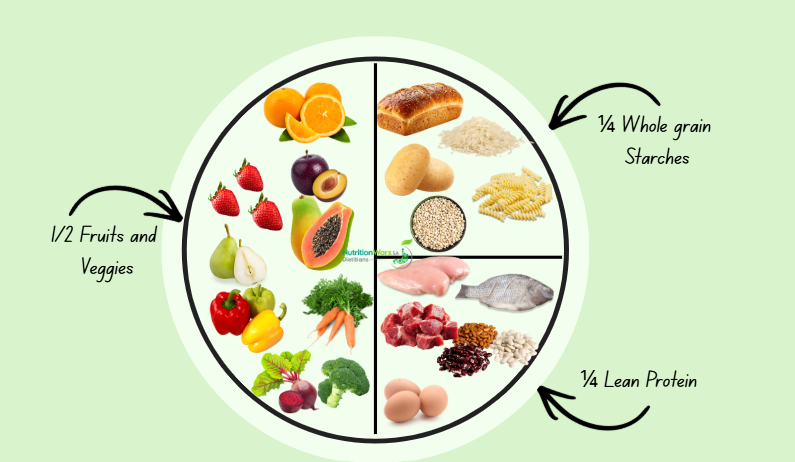
A balanced plate often looks like this:
**½ plate: Vegetables
¼ plate: Protein
¼ plate: Carbohydrates
- small amount: Healthy fats**
This approach allows room for flexibility, enjoyment, and sustainability.
Final Thoughts
Healthy eating does not need to feel restrictive or complicated. By focusing on balance rather than dieting, you can nourish your body while still enjoying food.
If you need personalised nutrition guidance for your health goals or medical condition, working with a us will help you create a plan that fits your lifestyle.