
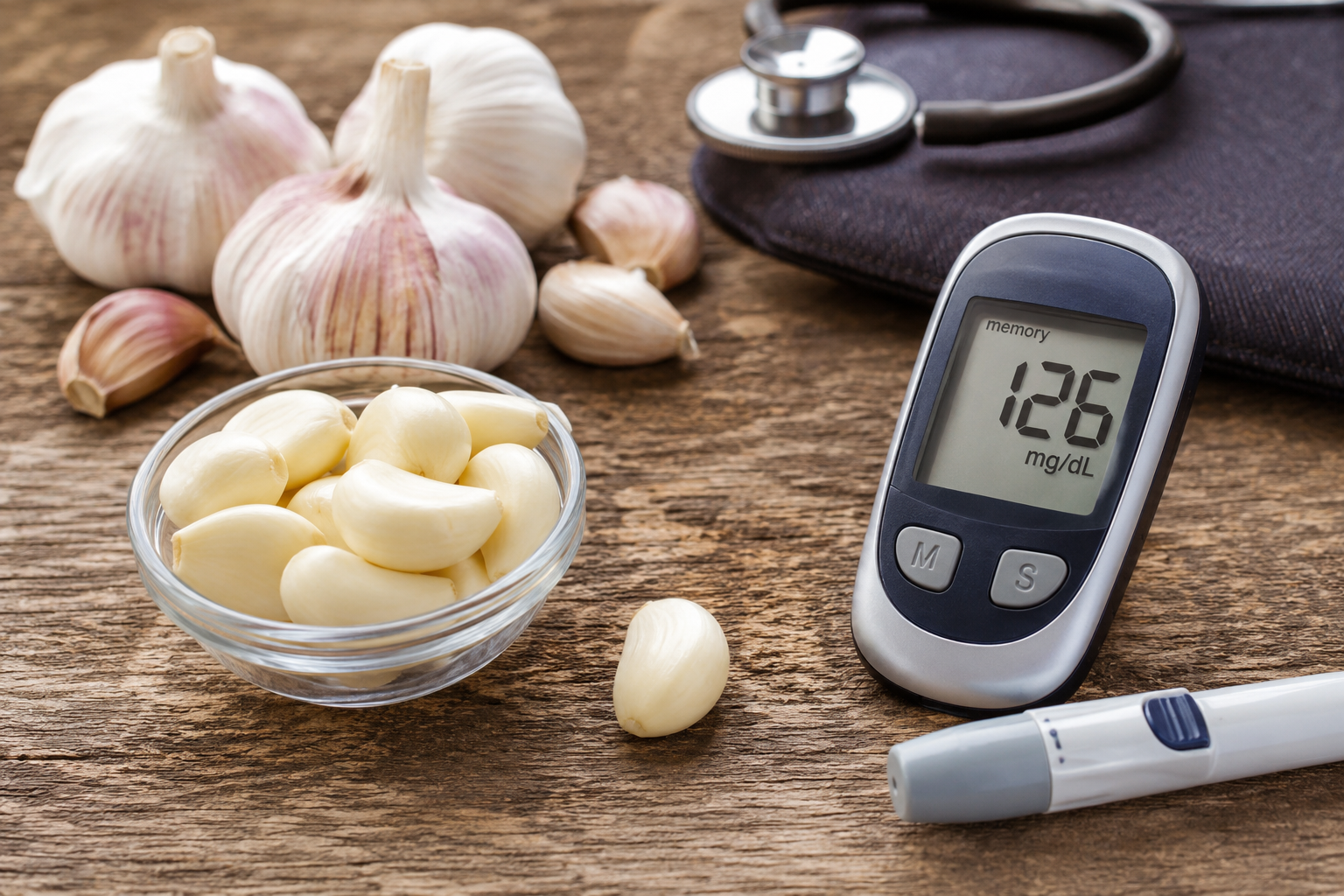
Garlic is a staple in many South African kitchens, from stews to braais and roasted veggies. But beyond adding flavour, this humble ingredient has been used since 1550 BC for its healing properties.
Now, modern research is showing that garlic may play a role in supporting people living with diabetes. With diabetes affecting around 589 million people worldwide, and numbers steadily rising, there is growing interest in simple, affordable ways to support blood glucose control, and garlic might be one of them.
All about garlic
Garlic (Allium sativum) is far more than just a seasoning. It contains over 200 biologically active compounds, including sulphur compounds, flavonoids, saponins, vitamins, and minerals.
Some of the key compounds that may benefit your health include allicin, alliin, s-allyl cysteine, diallyl disulfide (DADS), diallyl trisulfide (DATS), and ajoene, just to name a few. These compounds are linked to benefits like improving blood glucose control, supporting heart health, and reducing inflammation.
Garlic contains natural plant compounds like flavonoids and saponins, which may help slow down how quickly carbohydrates are absorbed in the body. This can help prevent sharp spikes in blood glucose after meals. Saponins have been shown to act a bit like insulin in the body by improving insulin sensitivity, helping cells take up glucose more effectively, and supporting better overall blood glucose control. Furthermore, allicin has shown potential by helping to regulate blood glucose while offering antibacterial benefits.
Looking at the research
Research into garlic and diabetes is growing, and the results are encouraging. In one clinical study, involving 285 people, garlic supplementation showed that people who took garlic supplements for 12 weeks showcased: a drop in fasting blood glucose of 16.8 mg/dL (0.93 mmol/L) compared to 2.7 mg/dL (0.15 mmol/L) in those not taking garlic and a reduction in HbA1c of 0.6%, compared to 0.1% in the control group. Even small improvements in HbA1c can make a meaningful difference in reducing the risk of complications over time.
Other studies have found that garlic may also help improve fasting and long-term glucose levels, cholesterol levels, and triglycerides. This is especially important, as people living with diabetes often have an increased risk of heart disease.
Reaping the benefits
Garlic’s benefits go beyond glucose control. It’s a strong antioxidant, which helps protect the body against damage caused by high blood glucose levels over time. This kind of damage is linked to complications like nerve damage, heart disease, and eye problems.
Garlic has also been studied for its role in supporting blood pressure, cholesterol, atherosclerosis, and inflammation. In other words, it supports overall metabolic and heart health, a big win for anyone managing diabetes and the general South African public.
Different forms of garlic
Not all garlic is the same. You’ll find garlic in different forms:
- Fresh garlic (not the reconstituted ones we find in the tubs).
- Garlic powder, capsules, or supplements.
- Black (fermented) garlic is made by slowly fermenting whole garlic bulbs. This process gives it a softer texture and slightly sweet taste, and it’s much less pungent. It, however, contains less allicin, but other compounds may increase.
Interestingly, some research suggests that black garlic may have even stronger antioxidant and blood glucose–lowering effects than raw garlic, although most of this research has been done in animals so far, and more human studies are required.
A natural remedy
With busy lifestyles, convenience foods, and rising obesity rates, diabetes is becoming more common, both globally and here in South Africa. While medication remains essential, there’s growing interest in natural food-based strategies to support health.
Garlic stands out because it is: affordable, easy to find, simple to add to meals, and backed by both traditional use and modern research.
As promising as garlic is, it’s important to keep things in perspective. Garlic isn’t a cure for diabetes, and it should never replace prescribed medication. Think of it rather as a supportive addition to a balanced eating plan, regular physical activity, and, importantly, your medical treatment.
Garlic might be a small ingredient, but it can make a meaningful difference. With its 200+ active compounds, antioxidant benefits, and growing research support, garlic is an easy and flavourful way to support your health. It won’t replace your medication but adding it to your meals could be a simple and meaningful step in the right direction.
Dietitian’s tip Crush or chop fresh garlic and let it sit for about 10 minutes before cooking. This helps form allicin, the compound responsible for many of garlic’s health benefits.
Easy way to add garlic
Simple Garlic & Olive Oil Drizzle
Mix
- 1 clove crushed garlic
- 1–2 tablespoons olive oil
- Squeeze of lemon juice
- Pinch of black pepper
- Drizzle over roasted vegetables, pap, salads, or grilled chicken or fish.
Written for Diabetes Focus magazine: https://www.diabetessa.org.za/garlic-a-small-clove-with-big-potential/
References
Adi, A.C. et al., 2023. Effects of fermented and non-fermented garlic as an anti-diabetic on blood glucose levels of Wistar rats. Journal of Public Health in Africa, 14(S2), p.2541.
Dereje, B., Nardos, A. and Deyno, S., 2025. The effect of garlic extracts on glycated hemoglobin and fasting blood sugar in animal and human studies: A systematic review and meta-analysis. International Journal of Health Sciences (Qassim), 19, pp.49–61.
Rawat, A., 2022. Effects of garlic on glucose parameters and lipid profile. African Journal of Biological Sciences, 4(1), pp.182–191.
Sanie-Jahromi, F., Zia, Z. and Afarid, M., 2023. A review on the effect of garlic on diabetes, BDNF, and VEGF as a potential treatment for diabetic retinopathy. Chinese Medicine, 18, p.18.
Zhao, H. et al., 2024. Effects of garlic on glucose and lipid metabolism: A systematic review and meta-analysis of randomized controlled trials. Nutrients.
Prasonto, D., 2017. Antioxidant activity of garlic (Allium sativum) and its role in controlling blood glucose levels.