
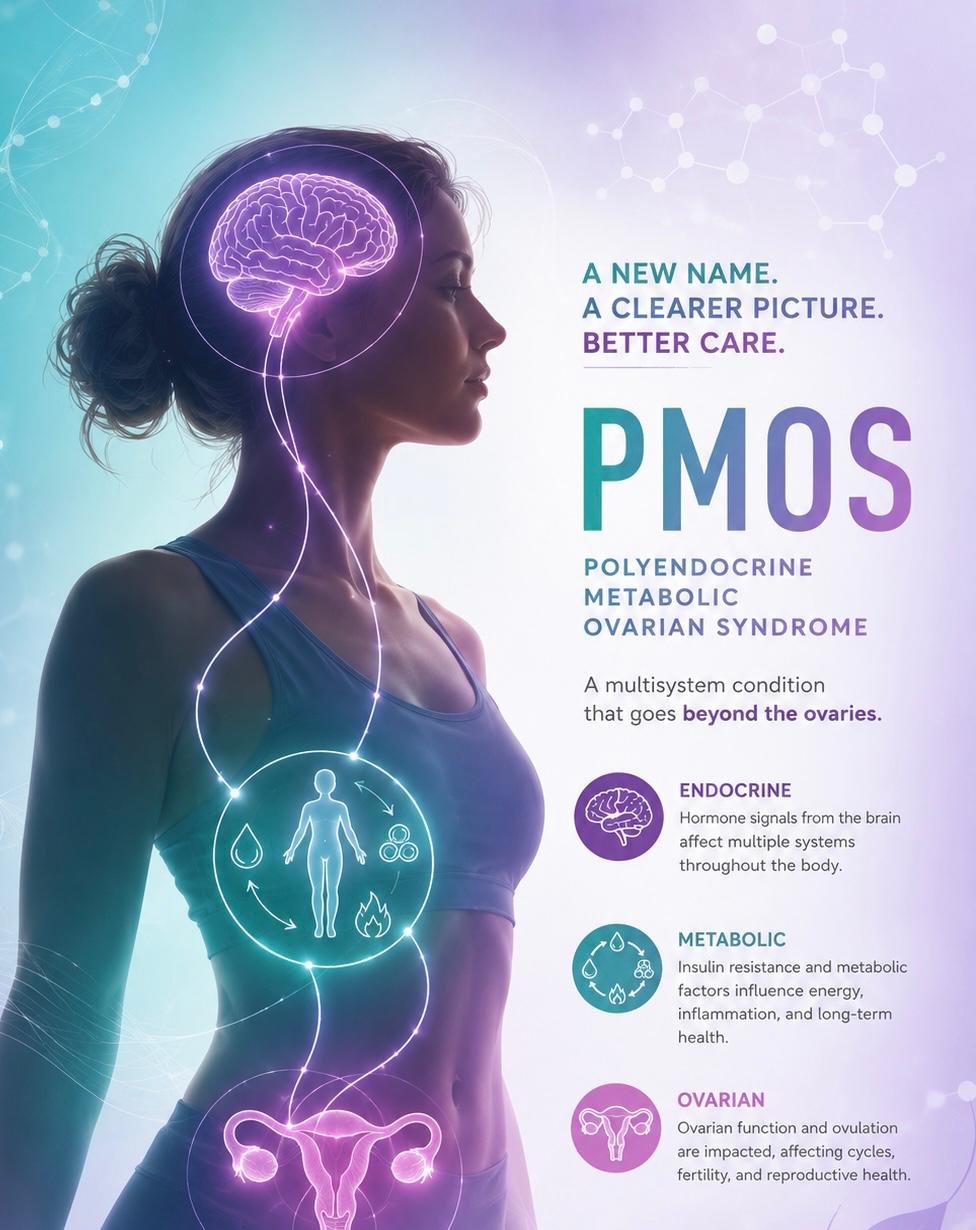
Polyendocrine metabolic ovarian syndrome (PMOS), previously known as polycystic ovary syndrome (PCOS), affects more than 170 million women worldwide and has long been recognised as a common but complex endocrine condition. Despite its prevalence, the term PCOS has been widely criticised as misleading, as it implies the presence of ovarian cysts, which are not a defining feature of the condition. This inaccurate terminology has contributed to delayed diagnosis, confusion among patients and healthcare providers, fragmented care, and stigma, while also limiting research clarity and policy alignment. In reality, the condition reflects a broad multisystem disorder involving endocrine, metabolic, reproductive, psychological, and dermatological features, rather than a purely ovarian disease.
To address these concerns, a large-scale international consensus process was undertaken to reconsider the name. This initiative involved over 14,000 people with the condition and healthcare professionals across all world regions, alongside 56 academic, clinical, and patient organisations. Using structured methods such as Delphi surveys, global workshops, and implementation analyses, the process prioritised scientific accuracy, clarity, cultural appropriateness, and reduction of stigma. Participants consistently favoured a name that reflected the condition’s true biological complexity rather than retaining the outdated focus on ovarian cysts or preserving the existing acronym.
The consensus ultimately identified “polyendocrine metabolic ovarian syndrome” as the preferred new name. This terminology better reflects the condition’s underlying biology by acknowledging widespread endocrine dysfunction, significant metabolic involvement such as insulin resistance and cardiometabolic risk, and ovarian dysfunction related to follicular development and ovulatory irregularities. The inclusion of these terms was intended to capture the full spectrum of the condition across reproductive life stages, including after menopause, while improving understanding among clinicians, researchers, and patients.
Alongside the name change, a global implementation strategy has been developed to support transition across healthcare systems, education, research, and policy environments. This includes updates to clinical guidelines, electronic health records, medical education, and international disease classification systems, with a structured transition period planned over several years. The aim is to improve awareness, reduce diagnostic delays, enhance communication, and strengthen consistency in research and clinical care.
Overall, the renaming of PCOS to PMOS represents a significant shift toward more accurate and inclusive terminology that better reflects the condition’s multisystem nature. It is expected that this change will support improved patient understanding, reduce stigma, and contribute to better long-term health outcomes through clearer diagnosis, more coordinated care, and stronger global alignment in research and healthcare practice.